
Why This Work Matters So Deeply
Trauma lives quietly within the body, the nervous system, and the subtle energy field. It is not always visible, yet it shapes how we feel, respond, trust, and experience life. Many people carry trauma for years, sometimes for a lifetime without fully realizing how deeply it has influenced their sense of safety, self-worth, and inner peace.]
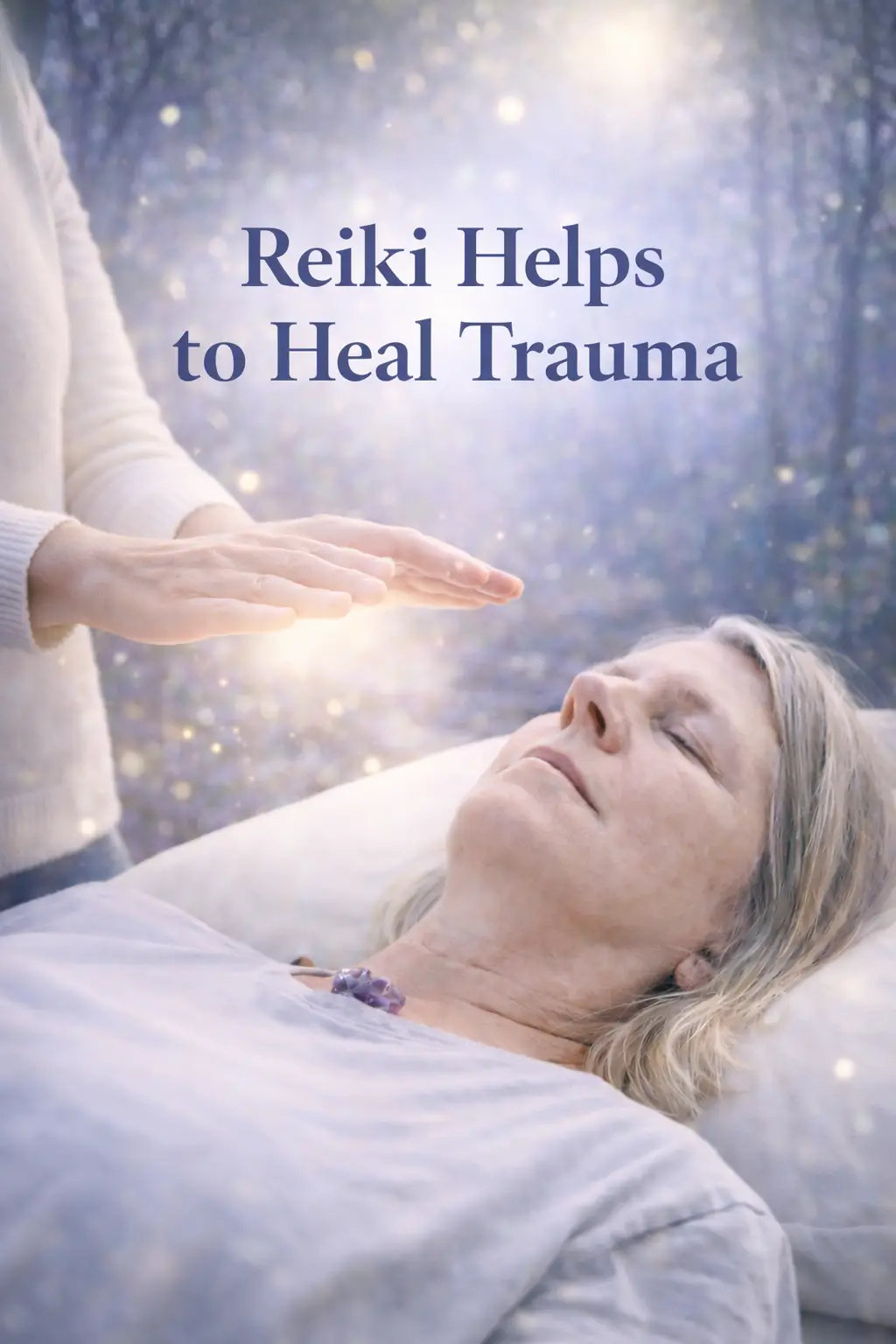
Reiki offers a gentle, compassionate pathway for healing trauma. It does this not by forcing the mind to relive painful experiences, but by allowing the body, heart, and energy field to gradually return to coherence, safety, and balance.
Understanding Trauma in the Body and Energy Field
Trauma is not only what happened, it is what remained unresolved within the system. When overwhelming experiences occur, the nervous system may freeze, fragment, or hold protective patterns. These patterns can show up as:
- Anxiety or chronic worry
- Emotional numbness or disconnection
- Difficulty trusting others or feeling safe
- Hyper-vigilance or tension in the body
- Repeating emotional patterns or triggers
- Deep fatigue or heaviness in the heart
Trauma is not weakness. It is the body’s attempt to protect and survive. Yet when the system remains in protection for too long, life becomes constricted. Healing is the return to flow.
How Reiki Supports Trauma Healing
Reiki works beyond words. It communicates directly with the nervous system, the body, and the subtle energetic layers where trauma is often held.
Through Reiki:
The nervous system calms. Reiki gently shifts the body from survival mode into rest, safety, and restoration.
Stored emotional energy begins to release. Without force, without reliving, the body lets go in the way it is ready.
The heart softens. Many who receive Reiki begin to feel warmth, compassion, and reconnection with themselves. Inner safety returns. When the body feels safe, true healing becomes possible.
The person reconnects with their deeper self. Beyond trauma lies wholeness. Reiki helps reveal this.
Why Healing Trauma Is So Important
Unresolved trauma affects every layer of life. If effects physical health, emotional balance, relationships, and one’s sense of self. When trauma remains unhealed:
- The nervous system stays in chronic stress
- The body carries tension and inflammation
- Emotional patterns repeat
- Joy and vitality diminish
- One may feel disconnected from life
Healing trauma is not about fixing the past. It is about restoring freedom in the present. When trauma begins to heal:
- The body relaxes
- Emotional clarity increases
- Inner peace grows
- Relationships become healthier
- The heart opens again
- Life energy returns
The Gentle Nature of Reiki in Trauma Work
Reiki does not push. Reiki does not force release. Reiki does not overwhelm. Reiki meets the person exactly where they are with compassion, safety, and deep respect for the body’s wisdom.
Healing unfolds in layers, at the pace the system can integrate. Often, people notice deep relaxation during sessions, emotional lightness afterward, improved sleep, greater self-awareness, and a quiet sense of inner safety. Over time, these gentle shifts become profound transformation.
A Sacred Reflection
Trauma is not the end of the story. It is a place where healing is waiting. Within every person lives an untouched center where they feel whole, peaceful, and connected. Reiki helps illuminate this place, allowing the individual to rediscover their own inner light.
Healing trauma is not about becoming someone new. It is about returning to who you truly are whole, safe, and alive.
Five Self‑Healing Practices to Support Trauma Healing
- Gentle Self‑Reiki Practice: Place your hands softly over your heart, abdomen, or anywhere your body feels drawn. Allow Reiki to flow without effort. Focus on slow, natural breathing and simply allow the body to settle into safety and calm.
- Grounding Through the Body: Bring awareness to your feet touching the earth or floor. Feel the support beneath you. Trauma often pulls awareness away from the body. Grounding gently brings you back into presence and stability.
- Compassionate Inner Listening: Sit quietly and allow emotions to arise without judgment. Instead of analyzing, simply witness. Ask yourself, ‘What is my body trying to release or express?’ This builds safety and trust within.
- Breath and Nervous System Regulation: Slow, gentle breathing helps signal safety to the nervous system. Try inhaling slowly through the nose for a count of four, and exhaling softly for a count of six. Allow tension to soften with each breath.
- Creating Moments of Inner Safety: Healing trauma requires safety. Create small daily rituals of comfort for yourself such as: soft music, nature, warm tea, quiet reflection, or Reiki meditation. These moments teach the body that it is safe to relax and heal.
